
The last mile, the final stretch of the supply chain, has gained unprecedented relevance today. Unlike traditional distribution services, the last mile is characterized by its complexity and high customization, as it involves direct delivery to the final consumer. In this article we will explore the main differences between the two concepts and the challenges posed by these services in both e-commerce and retail logistics.
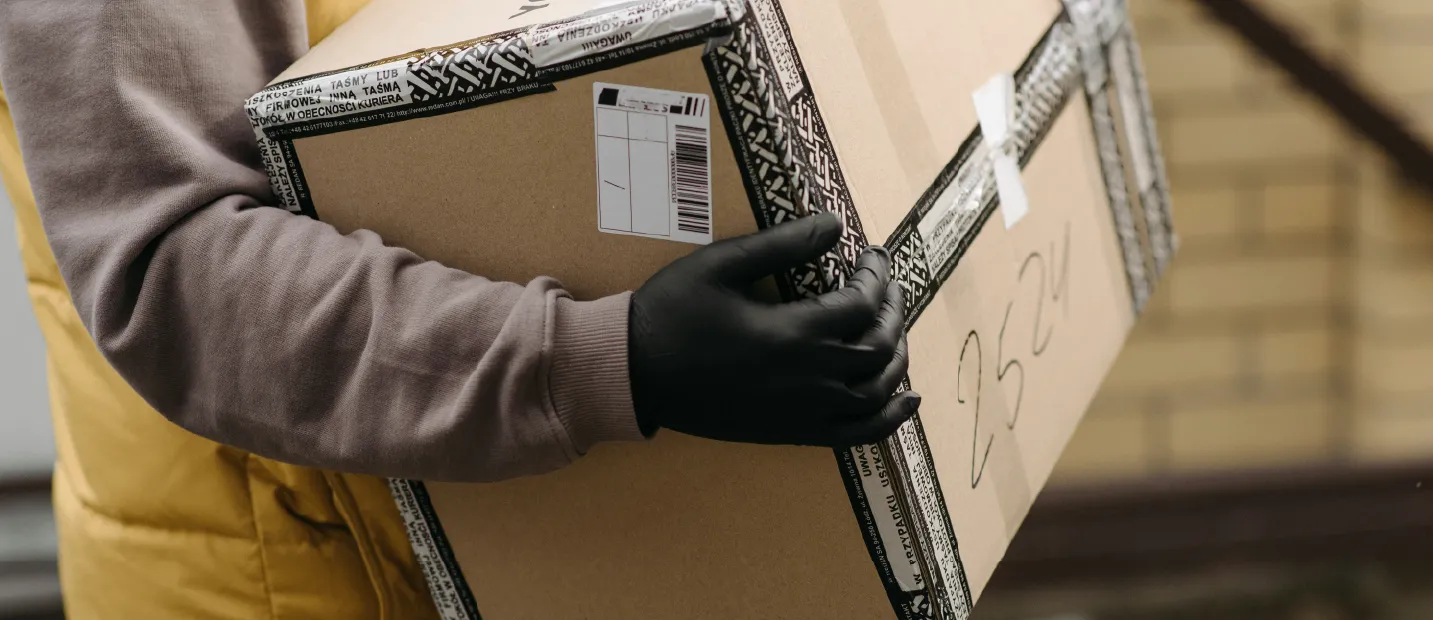
The last mile refers to the final stretch of the delivery process of a product, from the time it leaves the last distribution point (a warehouse, a store, etc.) until it reaches the hands of the end consumer. In other words, it is that small but crucial journey that separates a product from its final destination, be it a private home, an office or any other place.
Why is the last mile so important?
- Customer experience: This is the moment of truth. The speed, efficiency and quality of the final delivery determine customer satisfaction and brand perception.
- Cost: Although it may seem like a short stretch, the last mile is often the most expensive part of the supply chain due to fragmented deliveries, traffic congestion and labor requirements.
- Complexity: The last mile involves a number of logistical challenges, such as managing different types of vehicles, planning optimal routes, coordinating with customers and adapting to urban conditions.
What factors influence the last mile?
- Geographical location: Urban density, topography and road infrastructure influence the duration and cost of deliveries.
- Type of product: Fragile, perishable or large products require special care and appropriate vehicles.
- Sales channel: Online sales have increased the demand for home deliveries, creating new challenges for last-mile logistics.
- Local regulations: Traffic regulations, delivery schedules and environmental restrictions may affect delivery operations.
How to optimize the last mile?
There are several strategies to improve efficiency and reduce last mile costs, such as:
- Route optimization: Use specialized software to plan more efficient routes and reduce delivery time.
- Delivery consolidation: Grouping several shipments on the same route to maximize vehicle capacity.
- Use of technology: Implement real-time tracking systems, mobile applications for delivery drivers and drones for deliveries in hard-to-reach areas.
- Collaboration with other stakeholders: Working together with transport companies, collection points and other logistics service providers.
The last mile is a critical aspect of the supply chain that requires special attention to ensure customer satisfaction and operational efficiency. By understanding the challenges and opportunities it presents, companies can develop innovative strategies to optimize their operations and improve their competitiveness.
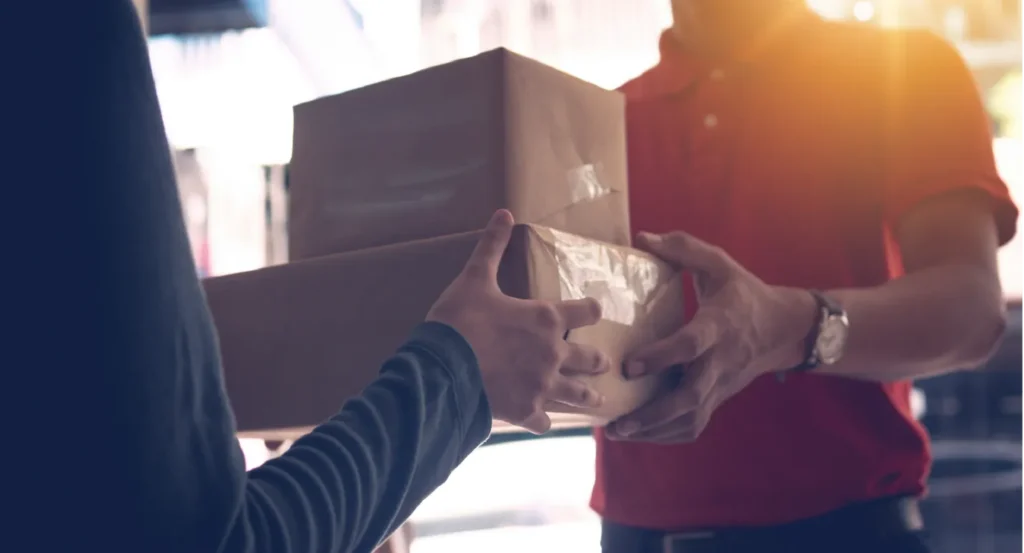
Now let's see what distribution is
Distribution is the set of activities carried out to move products from the point of origin (factory, central warehouse, etc.) to the point of final consumption (customer, store, etc.). In other words, it is the process of getting a product from where it is produced to where it is needed.
You may be interested in: Procedures: Importers' Register and/or Specific Sectors Importers' Register
What does distribution involve?
Distribution covers a wide range of activities, including:
- Transportation: The physical movement of products, using various means such as trucks, trains, ships or airplanes.
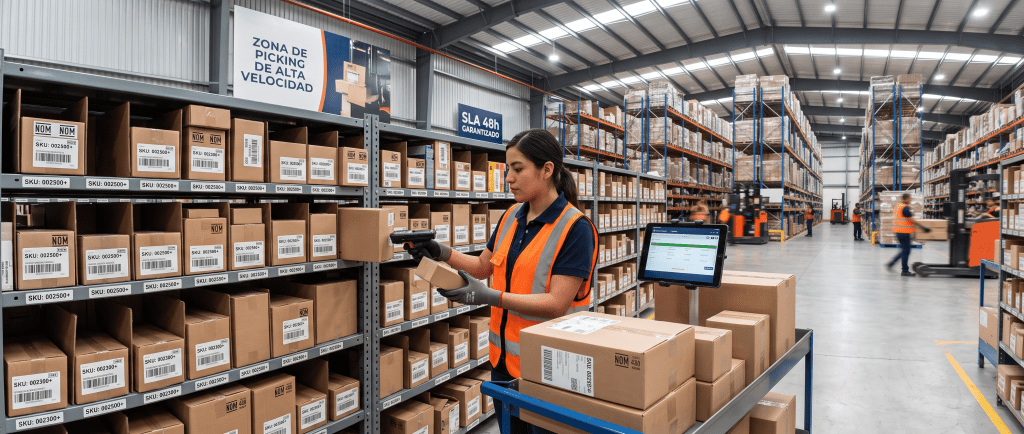
- Warehousing: The storage of products at different points in the supply chain, such as central, regional or local warehouses.
- Inventory management: The control of stock levels to ensure that sufficient product is available without generating unnecessary costs.
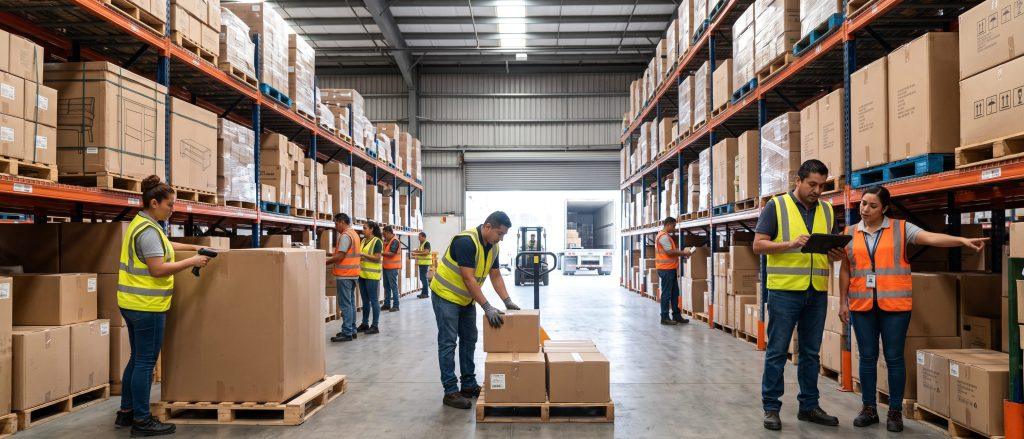
- Material handling: Activities related to the loading, unloading and movement of products within the facilities.
- Route planning: Optimizing delivery routes to reduce transportation costs and times.
- Supply chain management: The coordination of all elements of the supply chain, from production to final delivery.
Why is distribution important?
Distribution is a fundamental element in any business, as it ensures that products reach customers at the right time and in the right place. Good distribution management allows:
- Customer satisfaction: Deliveries on time and in perfect condition.
- Cost reduction: Route optimization, inventory reduction, etc.
- Improved efficiency: More agile and coordinated processes.
- Increased competitiveness: Ability to respond quickly to market demands.
What are the main distribution challenges?
Distribution faces a number of challenges, such as:
- Rising costs: Transportation and storage costs represent a significant portion of operating costs.
- Complexity management: The increasing complexity of supply chains, with multiple suppliers and distribution channels.
- Pressure for speed: Consumers are demanding faster and faster delivery.
- Demand variability: The need to adapt to fluctuations in demand.
How can distribution be improved?
There are several strategies to optimize distribution, such as:
- Sustainability: Adopt more sustainable distribution practices, such as the use of electric vehicles and the reduction of packaging.
- Technology: Use of warehouse management systems, route planning software and real-time tracking tools.
- Outsourcing: Outsourcing of logistics activities to specialized third parties.
- Collaboration: Working closely with suppliers and customers to improve supply chain efficiency.
As you can see, distribution is a complex and strategic process that has a significant impact on the success of any business. By understanding the basic principles of distribution and the challenges it faces, companies can develop more efficient and effective strategies to meet the needs of their customers.
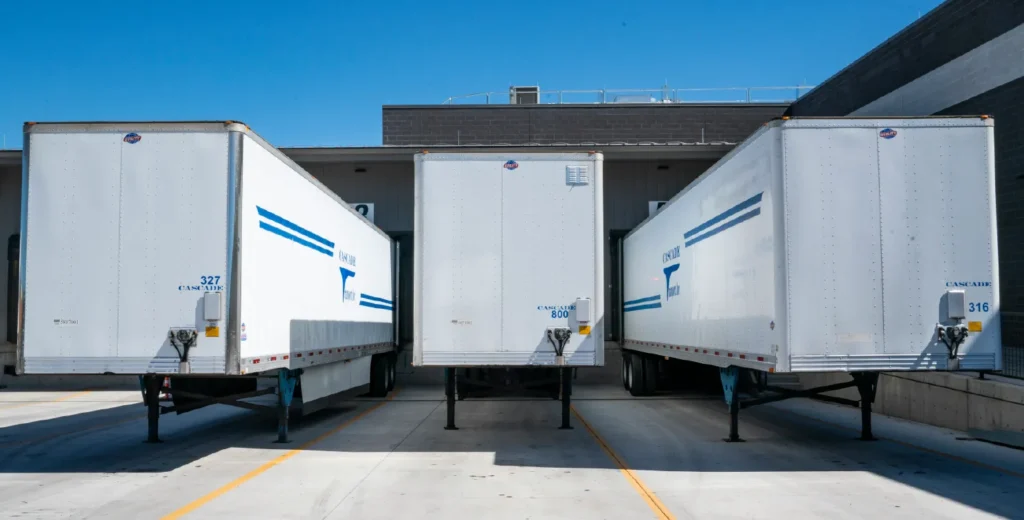
Last Mile vs. Distribution
Although closely related, the last mile and distribution represent distinct stages within the supply chain:
| Feature | Distribution | Last Mile |
| Scope | The entire product movement process | Final distribution section |
| Target | Reach points of sale | Delivery to the final consumer |
| Challenges | Route optimization, inventory management, etc. | Urban congestion, short delivery times, customer satisfaction |
Example: Imagine you buy a pair of shoes from an online store. Distribution involves those shoes traveling from the factory to the company's central warehouse, and then to a regional warehouse closer to your city. The last mile, on the other hand, would be the journey made by the delivery driver from that regional warehouse to your home.
Why is this distinction important? Understanding the difference between distribution and last mile is crucial:
- Optimize costs: Each stage requires specific strategies and resources. Identifying the challenges of the last mile allows you to implement more efficient solutions.
- Improve the customer experienceThe last mile has a direct impact on the customer's perception of the brand. Fast and reliable deliveries increase satisfaction.
- Develop new strategies: The growing demand for e-commerce has put the focus on the last mile, which has driven innovation and the search for technological solutions.
In conclusion, while distribution and last mile are part of the same process, each presents unique challenges and opportunities. Understanding this distinction is critical for any company looking to improve its supply chain and deliver an exceptional shopping experience to its customers.
At ABC Logistics we integrate and implement most of these logistics solutions with our customers with the sole purpose of offering quality service and adding value to their business.
Subscribe to our newsletter to receive logistics and marketing news that maximize your business!